
-
North Tallahassee
(850) 782-3232
-
South Tallahassee
(850) 782-3232
- Free Orthodontic Consultation

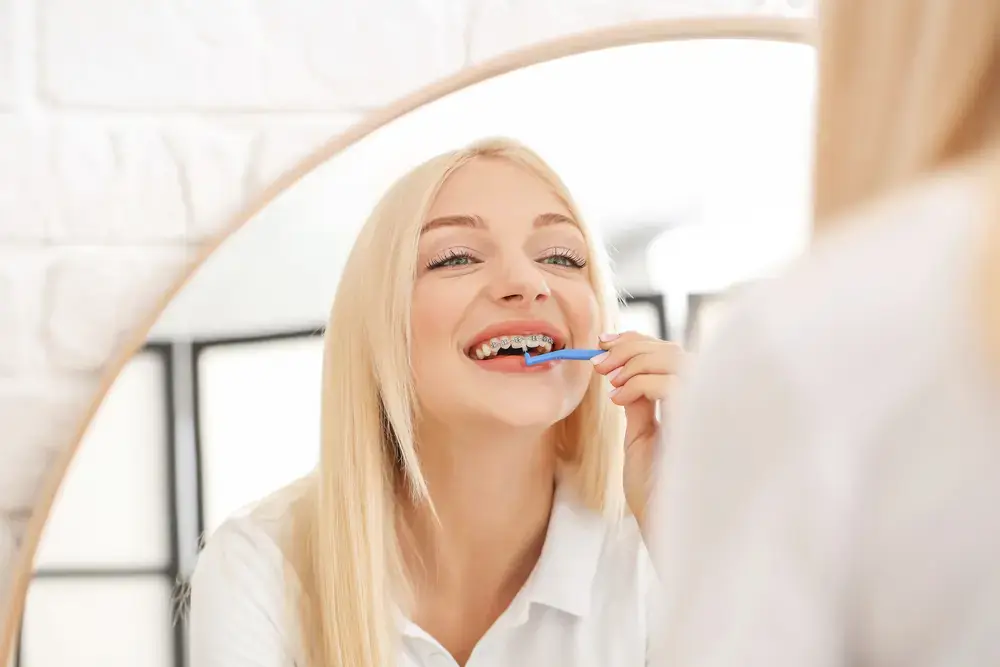
Need help understanding how to floss with braces in Tallahassee, FL? Flossing supports overall oral health by cleaning areas your toothbrush can’t reach. With braces, you’ll rely on a floss threader or orthodontic floss to guide the floss under your archwire and between each tooth. While slightly time-intensive, it protects against buildup and irritation.
Read on to find out the importance and technique of flossing with braces.
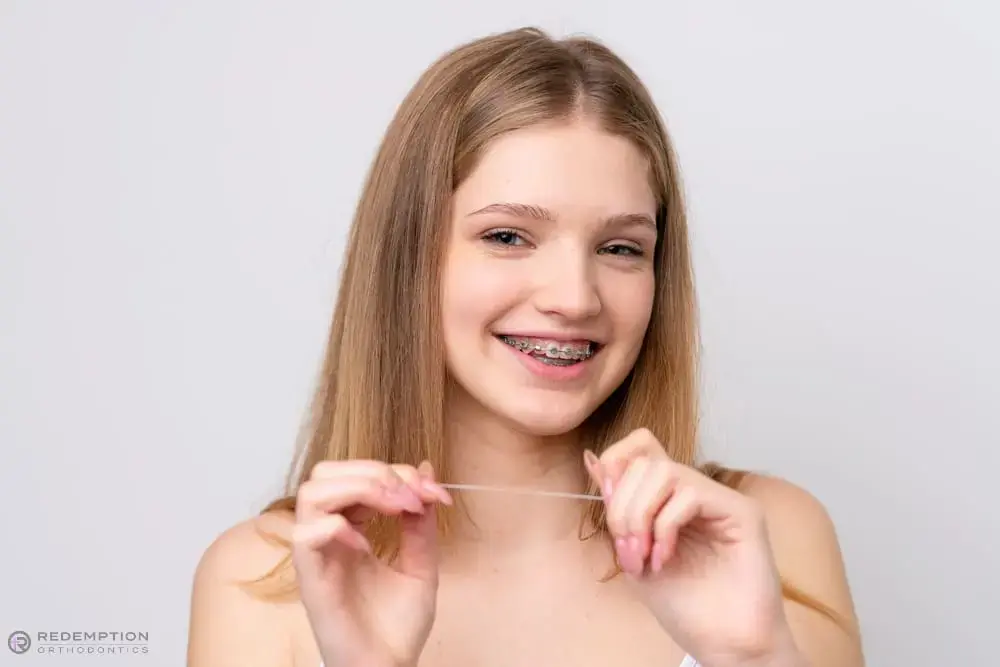
Why Flossing is Important with Braces
Braces are great for straightening teeth, but they make cleaning harder. Brackets, archwires, and elastics create small spaces where plaque and food debris can gather. If plaque builds near the gumline, it can lead to gum disease, tooth decay, and bad breath. Flossing helps protect your teeth and gums by reducing plaque buildup. It also prevents cavities and keeps your orthodontic appliances working effectively.
Good flossing habits are key for long-term enamel health and avoiding future dental treatments. When paired with brushing and regular orthodontic visits, flossing keeps your smile bright and healthy.
Tools to Make Flossing Easier
Flossing with braces may seem hard at first, but the right tools make it easier. Here are some great options:
1. Floss Threaders
A floss threader is a small tool that guides floss under your braces’ wires. This tool works well for cleaning tight spaces around your brackets and teeth. At Redemption Orthodontics, we recommend and provide floss threaders to help simplify your flossing routine.
2. Water Flossers (Oral Irrigators)
A water flosser cleans between teeth and around wires with a stream of water. It’s a gentle option for removing plaque and food particles, especially for patients with sensitive gums. According to Dr. Nicole Crasto, a dedicated orthodontist in Hamilton, OH, water flossers are easy to use and ideal for people who find regular flossing uncomfortable.
3. Orthodontic Floss
Orthodontic floss is stiffer and thicker than standard floss, making it easier to thread under your archwire. When used with a threader, it cleans well around braces and along the gumline. This type of floss is gentle on your enamel and helps clear out adhesive residue or plaque left from past meals.
4. Superfloss
Superfloss has a spongy texture designed for cleaning wires, brackets, and hard-to-reach gum pockets. It’s an excellent tool for thorough flossing. It’s also helpful for patients who recently completed their braces treatment and want to maintain clean teeth between professional cleanings.
5. Floss Picks & Interdental Brushes
Floss picks and interdental brushes (also called proxy brushes) are quick and easy tools for cleaning wires, between brackets, and along the gumline. These help remove plaque and food debris, especially in spots string floss can’t reach.
Where Can You Buy Flossing Tools?
You can find floss threaders, orthodontic floss, superfloss, and water flossers at most pharmacies or online stores in Tallahassee. Many orthodontic practices, including Redemption Orthodontics, also provide these tools in starter kits for new brace wearers.
Step-by-Step Guide to Flossing with Braces
Flossing with braces might take extra time at first, but practice makes it part of your daily routine. Follow these steps:
Step 1: Thread the Floss
Cut about 18 inches of floss, then insert it into a floss threader. Use the threader to guide the floss under the archwire. This step helps you clean under the brackets and wires, removing any food stuck in small areas.
Step 2: Clean Between Teeth
Wrap the floss in a C-shape around one tooth. Gently slide it up and down along the sides of the tooth and gumline. Reinsert the floss under the wire for each tooth. Be gentle to avoid hurting your gums. Over time, your flossing technique will get smoother and faster.
Step 3: Use a Water Flosser (Optional)
If flossing with string floss feels difficult, use a water flosser. Aim the water stream between teeth, brackets, and along the gumline to wash away plaque, food, and bacteria. Adjust the pressure based on your comfort. Water flossers are a great safety tip for anyone with gum sensitivity or braces discomfort.
Step 4: Finish with Brushing
After flossing, brush your teeth with a soft-bristle toothbrush and fluoride toothpaste. Focus on cleaning around brackets, wires, and elastics. Use small circular motions to avoid damaging your braces. Rinse with saltwater or a mild mouthwash for a refreshing clean and to reduce gum swelling.
Tips for Cleaning Different Types of Braces
Proper care varies depending on the type of braces you wear:
- Metal Braces: Thread and slide floss under the wires to clean between each tooth.
- Clear Ceramic Braces: Use floss gently to avoid cracking the delicate ceramic brackets.
- Lingual Braces: Flossing behind your teeth takes patience. A water flosser simplifies cleaning.
- Self-Ligating Braces: These braces need less maintenance, but thorough flossing is still essential.
How to Manage Flossing Challenges
Flossing with braces can be frustrating at first. Here’s how to overcome common problems:
- Sensitive Gums: Warm saltwater rinses can help soothe gum sensitivity. Use floss gently and try a desensitizing toothpaste for added comfort.
- Hard-to-Reach Areas: Tight spaces are easier to reach with interdental brushes or a water flosser. These tools tackle the areas regular floss might not reach.
- Difficulty Using Floss: If string floss is hard to handle, switch to a floss pick or a Waterpik device. These tools simplify flossing and are easy to use regularly.
Personalized Care at Redemption Orthodontics
At Redemption Orthodontics, we aim to help every patient succeed with their braces care. Our team offers tools and advice for effective oral hygiene routines.
What We Offer:
- Hands-On Lessons
- Custom Kits for Patients
- Expert Advice
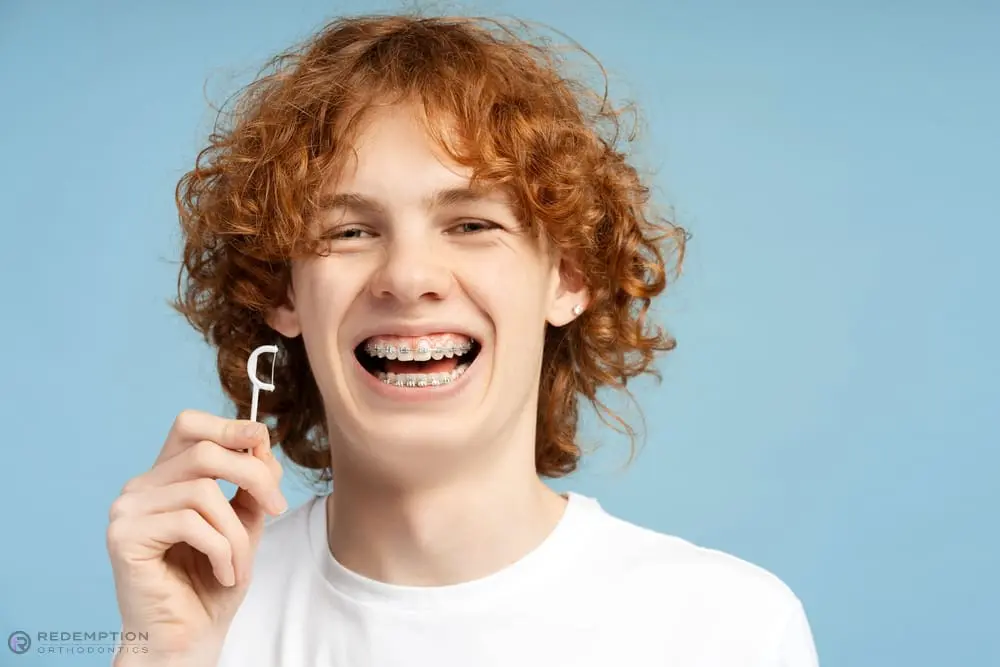
Oral Hygiene After Braces
Once your braces are removed, keeping your teeth healthy is just as important. Follow these habits to maintain your smile:
- Wear Your Retainer: Retainers stop teeth from shifting back. Follow your orthodontist’s instructions on when and how to wear yours.
- Keep Flossing Daily: Flossing will help prevent plaque buildup and tartar even after braces. Dr. Granit Morina, a local family orthodontist in Leominster, MA, tells his patients that flossing should be a habit for life, not just during braces.
- Visit Your Dentist Every Six Months: Maintain regular cleanings to keep your enamel healthy and your gums free of disease.
Start Your Flossing Routine Today
Flossing with braces doesn’t have to feel like a chore. With the right tools and proper guidance, you’ll master this routine in no time. At Redemption Orthodontics, we’re here to help you achieve a clean, radiant smile.
Schedule an appointment today at our Tallahassee office and learn more about how to care for your braces and oral health. Let us help you build the healthy habits that keep your teeth and gums strong!
About The Author
Dr. Michael Vracar – Orthodontist in Tallahassee, FL
Dr. Nicole Crasto – Orthodontist in Liberty Township and Hamilton, OH
Frequently Asked Questions
Can I skip a day of flossing with braces?
It may feel easier to skip flossing with wires and brackets in the way, but flossing every day is important. It helps keep your gums healthy and removes food and plaque from hard-to-reach spots. Skipping even a day can leave buildup that may cause cavities or gum issues.
What happens if you brush your teeth for less than 2 minutes?
Brushing for less than two minutes often leaves plaque behind in hidden areas. This makes your cleaning less effective, raises your risk of cavities and gum problems, and doesn’t give fluoride enough time to strengthen enamel. Aim for the full two minutes for the best protection.
What happens if I don’t brush my teeth every day with braces?
Not brushing daily with braces can quickly lead to food and plaque buildup around brackets and wires. This may cause stains, bad breath, cavities, and gum disease. Plaque that sits too long can also leave behind white spots on your teeth.
Also Worth Checking Out

What is the Average Invisalign Cost in Tallahassee, FL? Are you looking to straighten your…
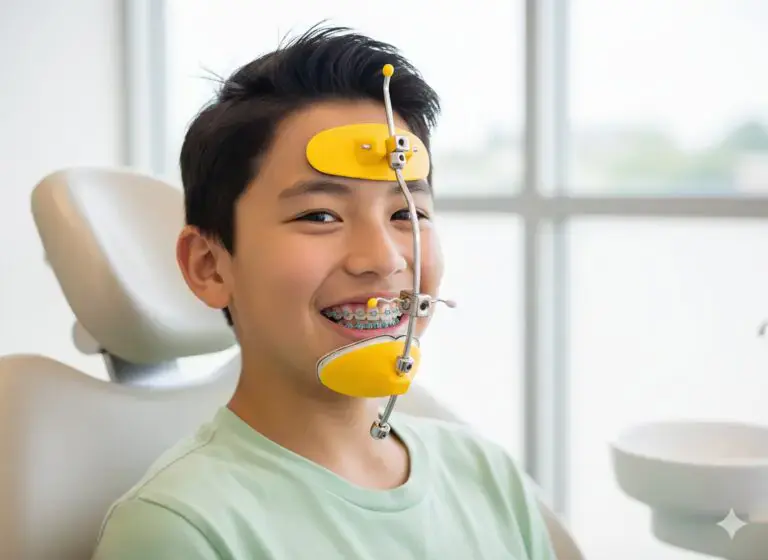
Are you wondering where to get reverse pull headgear braces in Tallahassee, FL? At Redemption…
Braces For Kids Early Orthodontic Treatment With Braces As a patient at Redemption Orthodontics, you…