
-
North Tallahassee
(850) 782-3232
-
South Tallahassee
(850) 782-3232
- Free Orthodontic Consultation

Mouth breathing is a common condition where individuals primarily breathe through their mouth rather than their nose. Our clinic specializes in detecting and correcting this issue, as it can substantially influence both dental conditions and general health. Recognizing and managing mouth breathing is essential for sustaining peak health and preventing extended health issues.
Causes and Effects of Mouth Breathing

Causes of mouth breathing
Multiple reasons can lead to mouth breathing. These involve seasonal allergies (especially cedar fever), ongoing nose blockages, enlarged throat glands, and sleep disorders. Some people may experience more pronounced symptoms due to certain environmental factors, such as changes in weather or exposure to allergens.
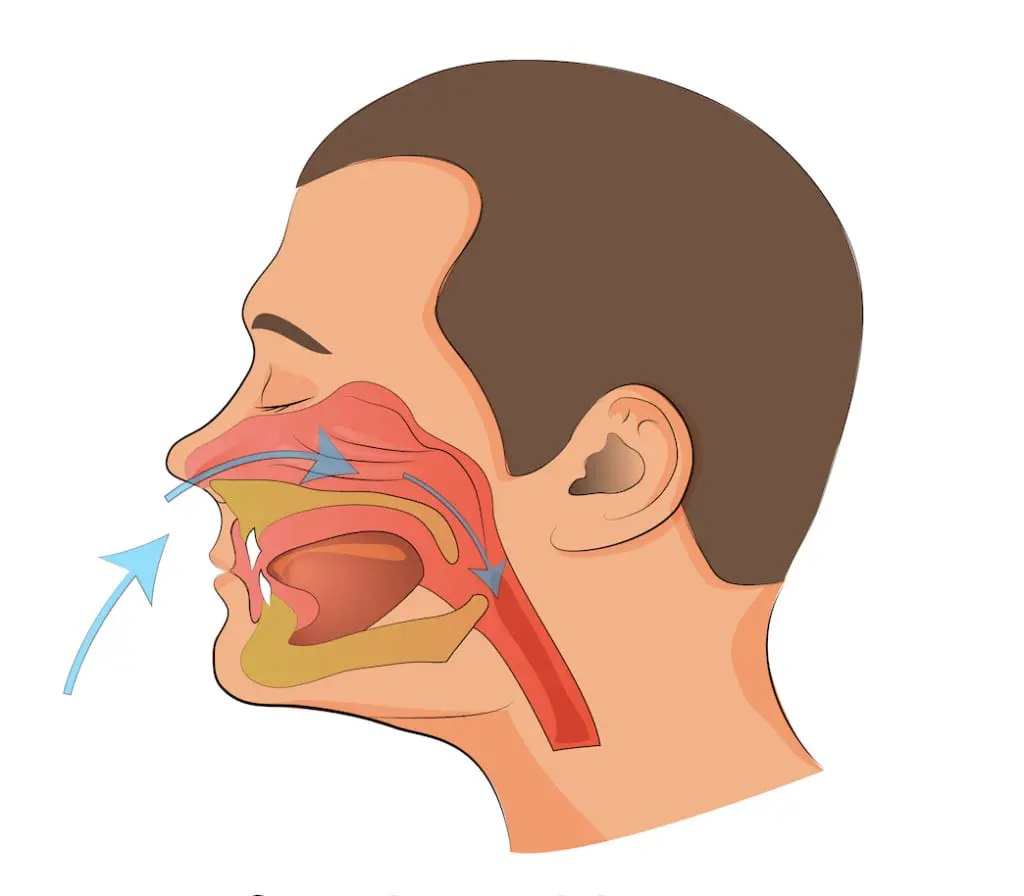
Mouth breathing affects overall health
Our respiratory system is especially sensitive to the effects of mouth breathing. Without the nose’s natural filtration, some people may experience higher risks of lung issues, reduced oxygen intake, and less efficient breathing performance.

Relationship between mouth breathing and dry mouth
The warmer climate often intensifies the effects of mouth breathing by reducing oral moisture levels. Patients commonly deal with xerostomia (dry mouth), which can lead to further oral health problems if left untreated. This reflects the importance of proper diagnosis and care.

Connection between mouth breathing and sleep apnea
Breathing through the mouth and sleep apnea commonly appear together, establishing a repeating pattern that harms sleep standards and day-to-day activities. Many patients report improved sleep after treatment for mouth breathing, highlighting the value of identifying and addressing both issues for better overall health and life quality.
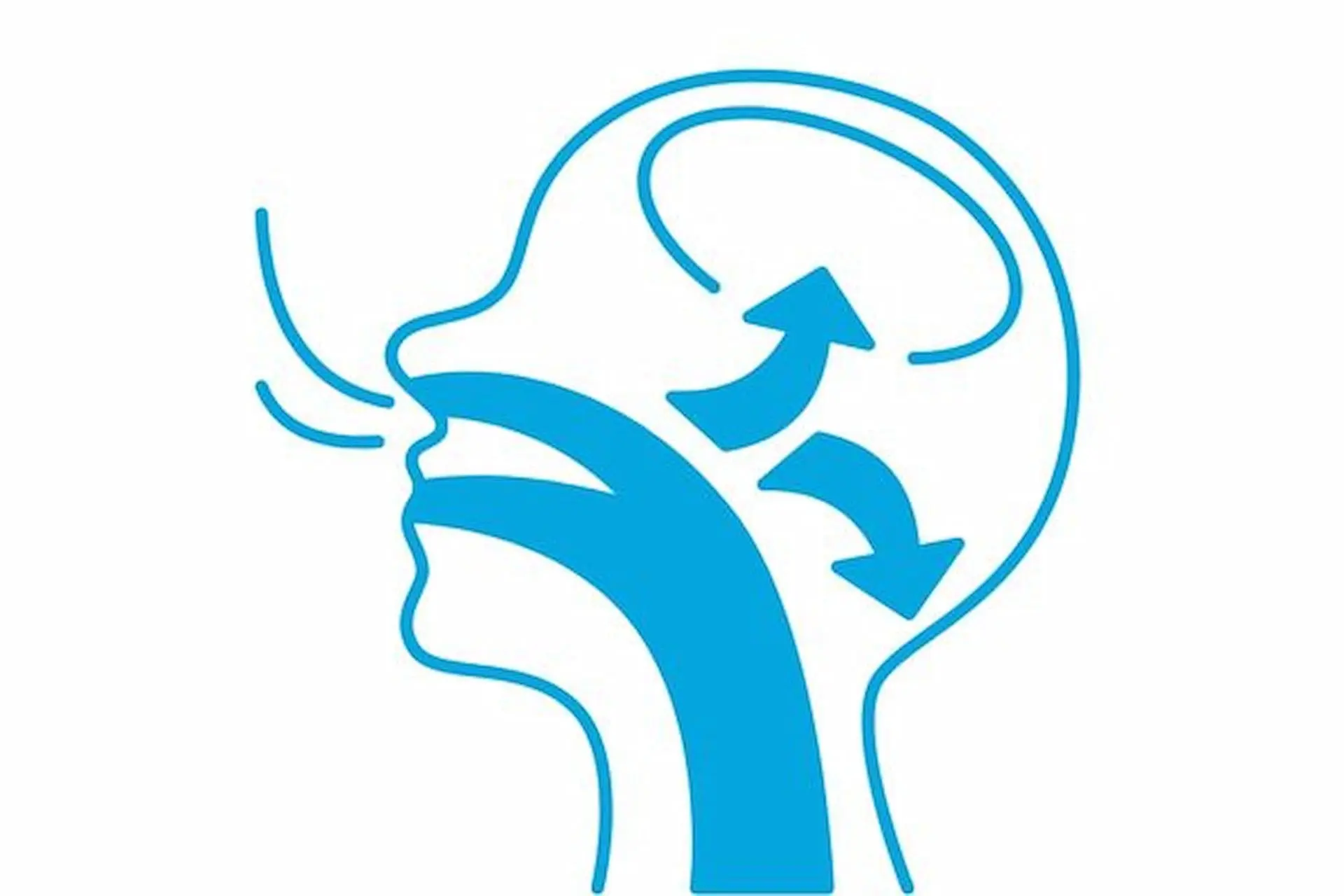
Effects of mouth breathing on brain function and cognitive abilities (brain fog)
Mouth breathing can cause cognitive issues, with several patients showing symptoms including poor concentration. These problems may negatively influence regular functions, emphasizing the significance of treating mouth breathing to improve thinking skills and complete health.

Impact of mouth breathing on oral health and bad breath
In our clinic, we regularly treat patients whose mouth breathing has caused dental issues and bad breath. The decreased saliva flow creates an environment where dangerous germs multiply, possibly resulting in cavities and gum problems.
Health Risks Associated with Mouth Breathing
Mouth breathing, for both adults and children, can cause an increased risk of respiratory illnesses like sinus problems, common colds, and influenza. This happens because mouth breathing bypasses the nasal passages’ natural cleaning process, letting germs get into the lungs more readily. Additionally, regular mouth breathing can result in nasal congestion and blockages, which then worsen the situation by making nasal breathing harder.
The connection between mouth breathing and lung conditions is therefore worrying, since it can add to breathing troubles gradually. In small children, the problems from mouth breathing can be especially serious. Long-term mouth breathing in kids may cause unusual facial and tooth growth, bad sleep patterns, and behavior problems, highlighting the need to deal with this habit sooner rather than later.
Diagnosis and Treatment
At Redemption Orthodontics, we employ advanced diagnostic techniques to identify mouth breathing patterns and their underlying causes. We develop personalized treatment plans that may include orthodontic interventions, breathing exercises, and coordination with local specialists when necessary.
Prevention and Management
Breathing habits and techniques to support nose breathing in children can be improved through several preventive and care-focused strategies. First, lifestyle adjustments such as balanced nutrition, proper hydration, and regular physical activity can help ease nasal congestion and promote healthier breathing. Second, specific guided breathing exercises can be introduced to further strengthen and improve nasal breathing.
These could involve diaphragmatic breathing (also known as belly breathing), which encourages deep, effective breaths using the diaphragm and core muscles rather than shallow upper chest breathing, and easy activities to help open nasal airways. Teaching children why nose breathing matters for their general health and fostering awareness about proper breathing practices can also be very helpful. By mixing lifestyle modifications with focused breathing practices, a comprehensive approach can help develop and maintain nose breathing routines in children.

Improving Your Breathing and Health with Airway Orthodontics
We use modern 3D scanning equipment in our office to examine breathing passages and create comprehensive treatment strategies. This current method enables us to treat both respiratory problems and teeth alignment matters simultaneously, delivering the best outcomes for our patients.

FAQ
Does mouth breathing affect facial development?
Yes, particularly in growing kids. In our clinic, we have recorded how long-term mouth breathing can affect face development patterns, possibly resulting in longer facial characteristics and tooth positioning problems. Timely treatment can assist in stopping these growth concerns and ensure correct facial development.
What are the most effective treatments for mouth breathing?
We provide complete treatment methods customized for every person’s requirements. We may suggest a combination of dental devices, breathing practices, and daily habit changes. Our treatment plans are personalized to each patient’s needs and designed to deliver long-lasting results.
Does having an overbite mean I’m a mouth breather?
Not always. Although an overbite might occasionally lead to mouth breathing, it isn’t necessarily the reason. Mouth breathing is more frequently connected to root problems like blocked nasal passages or additional medical concerns. Having an overbite doesn’t automatically mean you are or will become a mouth breather. If you have concerns about your breathing or dental health, it’s best to consult a dental or medical professional.